
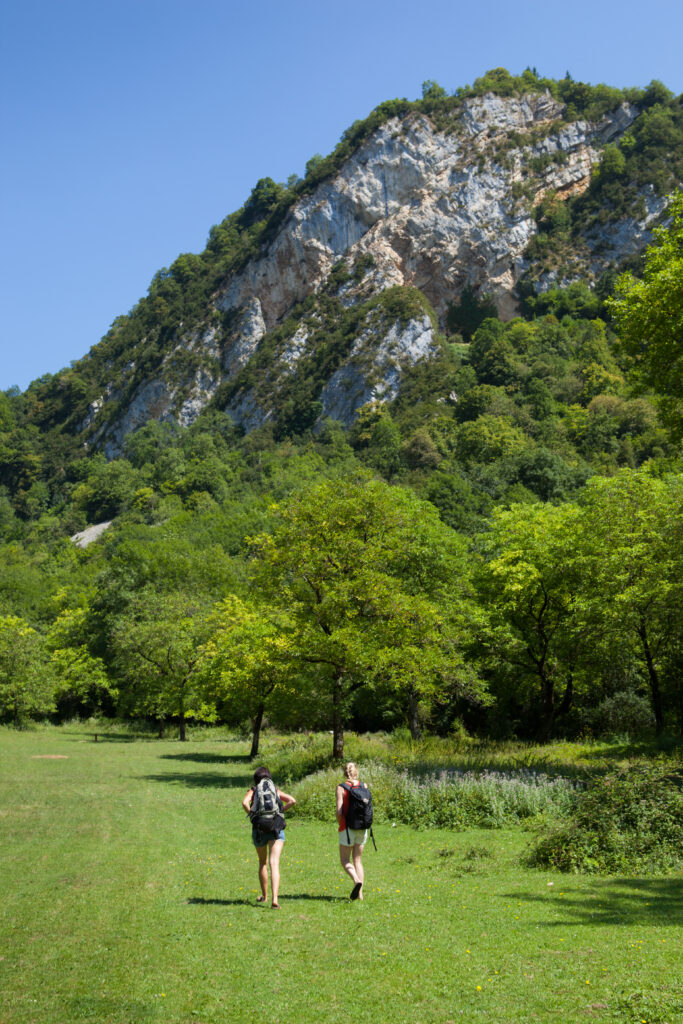
In 2025, eco-tourism in Pakistan has gained significant global recognition. With rising concerns about climate change and environmental protection, Pakistan has taken major steps to promote sustainable travel and eco-friendly tourism initiatives.
🏡 Eco-Friendly Resorts and Lodges
Eco-resorts are growing in:
- Hunza and Gilgit-Baltistan
- Swat Valley
- Skardu and Fairy Meadows
- Kumrat Valley
These lodges use solar energy, biodegradable materials, and promote zero plastic policies to protect nature.
🐆 Wildlife Tourism and Conservation
Eco-tourism in 2025 includes wildlife protection programs such as:
- Snow leopard conservation in Gilgit-Baltistan
- Markhor preservation in Chitral and Hunza
- Deosai National Park’s Himalayan brown bear sanctuary
Travelers now join eco-tours that support wildlife conservation and responsible photography.
👨👩👧 Community-Based Tourism
Local communities are becoming part of the eco-tourism movement. In 2025:
- Villages in Hunza, Skardu, and Chitral offer homestays.
- Local guides provide cultural experiences, traditional meals, and handicraft tours.
- Community tourism ensures locals directly benefit from tourism.
🚶 Sustainable Trekking & Hiking
Eco-friendly trekking rules introduced in 2025 include:
- “Leave No Trace” campaigns
- Mandatory eco-permits for trekking routes
- Restrictions on plastic waste in mountain areas
These steps help preserve fragile mountain ecosystems.
📊 Eco-Tourism Growth 2025
- Eco-tourism in Pakistan grew by 25% in 2025.
- More than 100 eco-resorts are now operational.
- International NGOs partnered with Pakistan for green tourism projects.
🚧 Challenges
- Lack of strict enforcement of eco-regulations.
- Growing number of tourists may cause overcrowding.
- Need for more eco-awareness campaigns.
💡 Future Outlook
By 2030, Pakistan aims to become a leading eco-tourism destination in Asia, with expanded national parks, stricter eco-laws, and carbon-neutral resorts.
📝 Conclusion
Eco-tourism in Pakistan 2025 is not only preserving nature but also creating opportunities for local communities. With eco-resorts, wildlife conservation, and community-based travel, Pakistan is positioning itself as a sustainable tourism hub.
In short: Pakistan’s future in tourism is green, sustainable, and globally admired.