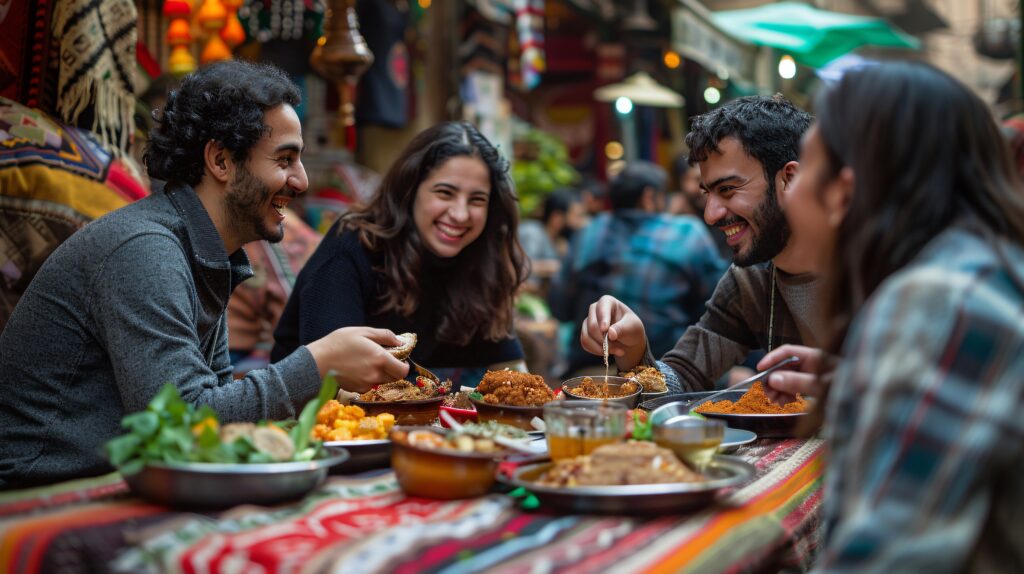
In 2025, food tourism in Pakistan has emerged as one of the country’s most vibrant travel experiences. Pakistan, long celebrated for its mountains, valleys, and cultural history, is now increasingly recognized for its culinary diversity. Tourists are arriving not only to see landscapes but also to taste the authentic flavors of Pakistan—from sizzling street food to heritage recipes passed down for centuries.
This article takes a deep dive into the growth of food tourism in Pakistan 2025, exploring regional cuisines, street food hubs, culinary festivals, and the trends shaping the food travel industry.
🍲 Why Food Tourism Matters in Pakistan
Food tourism connects travelers directly with:
- Culture – Every dish tells a story of tradition.
- Community – Street vendors and home chefs become ambassadors.
- Economy – Culinary travel boosts small businesses.
- Experience – Tasting authentic food creates lifelong memories.
For Pakistan, food tourism offers a unique opportunity to brand itself as a culinary destination in South Asia.
🌍 Culinary Diversity of Pakistan
Pakistan’s food culture is as diverse as its landscapes.
🍛 Punjab – The Land of Flavors
- Lahori chargha (fried chicken).
- Nihari and halwa puri for breakfast.
- Lassi served in traditional clay glasses.
🥘 Sindh – Bold & Spicy
- Karachi’s famous bun kebabs.
- Sindhi biryani with rich spices.
- Coastal seafood along the Arabian Sea.
🥟 Khyber Pakhtunkhwa – Meat Lovers’ Heaven
- Chapli kebabs sizzling in Peshawar.
- Mantu and dumplings influenced by Central Asia.
- Qehwa (green tea) in traditional hujras.
🥗 Balochistan – Traditional & Nomadic
- Sajji roasted whole lamb.
- Kaak bread baked in stones.
- Desert-style herbal teas.
🍵 Gilgit-Baltistan & Kashmir – Unique Mountain Cuisine
- Apricot oil dishes.
- Buckwheat bread and yak butter tea.
- Trout fish from mountain streams.
🌆 Street Food Hotspots in 2025
- Lahore’s Food Street (Gawalmandi & Fort Road) – A global attraction for tourists.
- Karachi Burns Road – Known as the “street food capital” of Pakistan.
- Peshawar Namak Mandi – BBQ paradise.
- Islamabad F-10 & Melody Food Park – Urban street food vibes.
These spots are now being promoted as culinary tourism circuits by local governments.
🍴 Food Festivals & Culinary Events
2025 has seen a rise in food festivals across Pakistan:
- Islamabad Eat Festival – Bringing together chefs and foodies.
- Karachi Eat – Street food and international fusion.
- Hunza Organic Food Festival – Showcasing eco-friendly mountain cuisine.
- Multan Mango Festival – Celebrating Pakistan’s king of fruits.
These events attract not only locals but also international tourists.
📈 Growth of Food Tourism in 2025
According to PTDC & local reports:
- Food tourism in Pakistan grew 25% in 2024–25.
- Over 40% of international tourists included food experiences in their trip.
- Social media (YouTube, TikTok, Instagram Reels) played a major role in showcasing Pakistani cuisine.
🛎️ Culinary Tourism Trends 2025
- Food Walks & Guided Tours – Tourists explore food streets with local guides.
- Cooking Classes – Learning to make biryani, chapli kebabs, and naan.
- Farm-to-Table Tourism – Organic experiences in Gilgit-Baltistan.
- Fusion Cuisine – Modern chefs blending Pakistani and global flavors.
- Food Vlogging & Influencers – Driving international awareness.
🚧 Challenges in Food Tourism
- Lack of hygiene standards in street food.
- Limited culinary tourism marketing globally.
- Infrastructure gaps in rural food destinations.
💡 Future of Food Tourism in Pakistan
By 2030, Pakistan aims to:
- Develop food tourism hubs in every province.
- Introduce culinary heritage trails.
- Launch Pakistani cuisine branding campaigns worldwide.
If these steps are taken, food tourism could become as big as adventure tourism in the country.
📝 Conclusion
Food tourism in Pakistan 2025 is more than just tasting dishes—it’s about experiencing culture through flavor. Whether it’s Lahori nihari at sunrise, Karachi’s bun kebabs at midnight, or Hunza’s apricot soup in the mountains, Pakistani food leaves travelers with unforgettable memories.
For Pakistan, food tourism is an opportunity to showcase its diversity, support small businesses, and attract millions of tourists looking for authentic culinary adventures.