
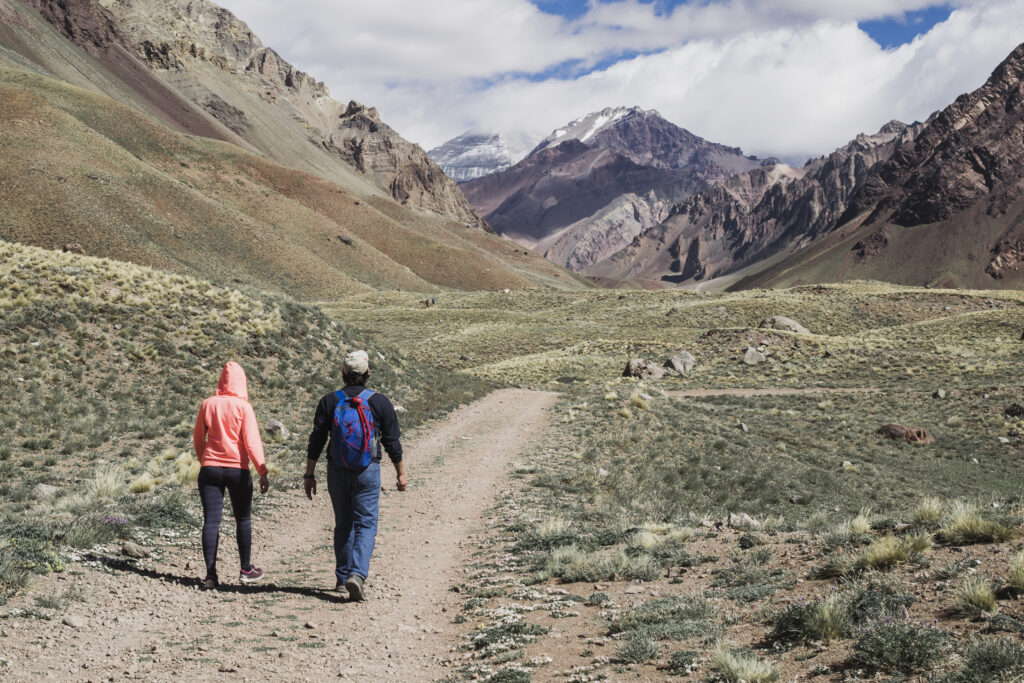
For centuries, the Silk Route was the lifeline of global trade, connecting China to Central Asia, the Middle East, and Europe. Pakistan, located at the crossroads of civilizations, played a central role in this network of roads. Today, exploring the Silk Route in Pakistan history is not just a lesson in the past—it’s also a unique travel experience that blends culture, adventure, and heritage.
🏔️ The Silk Route – A Brief History
The Silk Road began over 2,000 years ago during the Han Dynasty in China. Merchants carried silk, spices, jewels, and ideas across thousands of kilometers. In Pakistan, the route passed through towering mountain ranges like the Karakoram, Himalayas, and Hindu Kush, making it one of the most adventurous sections of the road.
Caravans would stop in valleys, trading goods and exchanging cultures. Along the way, religions like Buddhism, Hinduism, and Islam spread, leaving behind temples, monasteries, and shrines that still stand today.
🌏 Pakistan’s Role in the Ancient Silk Road
Pakistan was the meeting point of South Asia, Central Asia, and China. Important trade hubs included:
- Taxila – A Buddhist learning center and UNESCO World Heritage Site.
- Hunza Valley – A crucial resting stop for traders crossing treacherous passes.
- Gilgit-Baltistan – Home to rock carvings and inscriptions left by travelers.
- Peshawar – Known as the “City of Flowers,” it thrived as a Silk Road marketplace.
🕌 Cultural Exchange Along the Route
The Silk Road was more than just trade. It was about ideas, art, and culture:
- Buddhism traveled from India into China through Taxila and Swat.
- Islamic architecture and calligraphy spread westward.
- Local crafts like carpets, pottery, and jewelry reached new markets.
This cultural melting pot created Pakistan’s unique identity—where East meets West.
🚗 Modern Silk Route – The Karakoram Highway
In the 20th century, Pakistan and China built the Karakoram Highway (KKH), often called the “Eighth Wonder of the World.” This highway follows much of the ancient Silk Road, connecting Gilgit-Baltistan with Xinjiang, China.
For modern travelers, driving the KKH is like retracing the footsteps of ancient merchants. It offers stunning views of Nanga Parbat, Rakaposhi, and the Hunza River.
🌱 Tourism Potential in 2025
The Silk Route in Pakistan has immense potential for sustainable tourism:
- Heritage Tourism – Preserving Buddhist relics, forts, and ancient rock carvings.
- Adventure Tourism – Trekking, cycling, and road trips along the KKH.
- Cultural Tourism – Homestays with Hunza and Gilgit communities.
- Educational Tourism – Research on ancient trade and archaeology.
🚧 Challenges to Preservation
- Climate change threatens glaciers and passes.
- Lack of preservation damages ancient carvings and sites.
- Over-tourism risks disturbing delicate mountain ecosystems.
- Limited infrastructure makes travel challenging for international tourists.
💡 Opportunities for Growth
With smart planning, Pakistan can transform the Silk Route into a global travel magnet:
- Eco-lodges along the KKH.
- Interactive museums showcasing Silk Road history.
- Digital apps guiding tourists through heritage trails.
- International collaborations with UNESCO and Silk Road heritage networks.
📝 Conclusion
The Silk Route in Pakistan is not just history—it’s living heritage. From ancient carvans to modern highways, it tells the story of human connection, trade, and culture. In 2025, it stands as both a tourist attraction and a reminder of Pakistan’s central role in world history.
Traveling along the Silk Road is more than sightseeing—it’s walking in the footsteps of merchants, monks, and adventurers who changed the world. For Pakistan, promoting this heritage responsibly can unlock tourism, strengthen local communities, and preserve history for generations to come.